


-

Vendor: 5 Core
5 Core Drum Throne 3" Padded Drum Seat Height Adjustable Drumming Chair for Practice and Performance
SKU: DS BLKCH BLU OPEN BOXSale price: $31.99
Regular price: $60.00 -

Vendor: 5 Core
5 Core Drum Throne 3" Padded Seat Adjustable Drumming Chair for Practice and Performance
SKU: DS 01 RED OPEN BOXSale price: $34.99
Regular price: $74.00 -

Vendor: 5 Core
5 Core Drum Throne 5" Padded Drummer Seat Adjustable Drumming Chair w Luxury Velvet Top
SKU: DS CH BLK VEL HD OPEN BOXSale price: $43.78
Regular price: $106.00 -

Vendor: 5 Core
5 Core Drum Throne 4" Padded Saddle Seat Heavy Duty Adjustable Drumming Chair
SKU: DS CH YLW SDL HD OPEN BOXSale price: $47.89
Regular price: $88.00 -
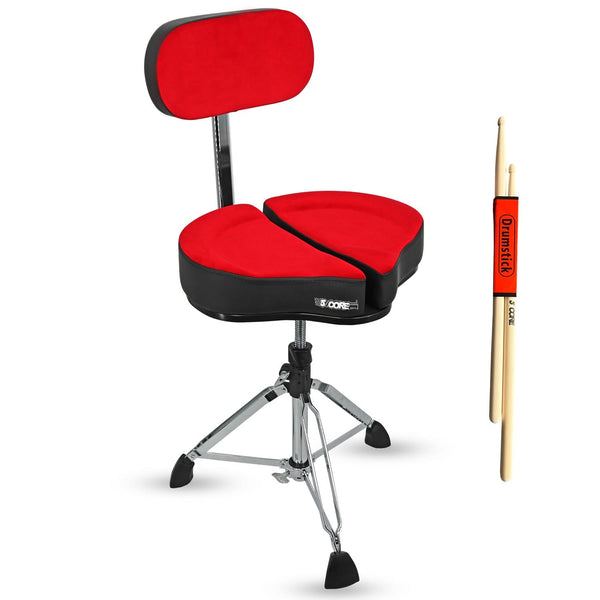
Vendor: 5 Core
5 Core Drum Throne 5" Padded Split Spine Support 4 Legged 441Lb Capacity Stool w Backrest
SKU: DS GT RED-VEL BKREST OPEN BOXSale price: $119.88
Regular price: $292.00 -

Vendor: 5 Core
5 Core Drum Throne 5" Padded Drummer Seat Adjustable Drumming Chair w Luxury Velvet Top
SKU: DS CH D-GR VEL HD OPEN BOXSale price: $45.99
Regular price: $96.00 -

Vendor: 5 Core
5 Core Drum Throne w Backrest 4" Padded Stool Airlift Adjustable Drummer Chair
SKU: DT WIDE REST REDSale price: $149.99
Regular price: $214.00 -

Vendor: 5 Core
5Core Guitar Stool 3.15" Padded Chair Foldable Heavy Duty Music Seat Built in Foot Rest Guitar Stand
SKU: GSTOOL L- WHSale price: $78.24
Regular price: $110.00 -

Vendor: 5 Core
5 Core Guitar Stool 4 Inch Padded Drum Throne Adjustable Musician Seat for Drummers Guitarist
SKU: GSTOOL HD BLKSale price: $91.85
Regular price: $174.99 -

Vendor: 5 Core
5 Core Guitar Stool w Backrest 3.15" Padded Chair Foldable Music Seat Built in Foot Rest Guitar Stand
SKU: GSTOOL RND BLU RESTSale price: $99.99
Regular price: $104.00 -

Vendor: 5 Core
5 Core Guitar Stool w Backrest 3.15" Padded Chair Foldable Music Seat Built in Foot Rest Guitar Stand
SKU: GSTOOL RND YLW RESTSale price: $73.55
Regular price: $106.00 -

Vendor: 5 Core
5 Core Guitar Stool w Backrest 3.15" Padded Chair Foldable Music Seat Built in Foot Rest Guitar Stand
SKU: GSTOOL OVAL BLU RESTSale price: $105.99
Regular price: $132.00 -

Vendor: 5 Core
5 Core Guitar Stool w Backrest 3.15" Padded Chair Foldable Music Seat Built in Foot Rest Guitar Stand
SKU: GSTOOL OVAL YLW RESTSale price: $73.65
Regular price: $114.00 -

Vendor: 5 Core
5 Core Guitar Stool 3.15" Padded Chair Foldable Music Seat w Built in Foot Rest Guitar Stand
SKU: GSTOOL WHSale price: $64.31
Regular price: $98.00 -

Vendor: 5 Core
5 Core Guitar Stool 3.15" Padded Chair Foldable Music Seat w Built in Foot Rest Guitar Stand
SKU: GSTOOL BLUSale price: $59.99
Regular price: $100.00 -

Vendor: 5 Core
5 Core Guitar Stool 3.15" Padded Chair Foldable Music Seat w Built in Foot Rest Guitar Stand
SKU: GSTOOL YLWSale price: $64.31
Regular price: $94.00 -

Vendor: 5 Core
5 Core Guitar Stool 3.15" Padded Chair Foldable Music Seat w Built in Foot Rest Guitar Stand
SKU: GSTOOL REDSale price: $64.31
Regular price: $92.00 -

Vendor: 5 Core
5 Core Guitar Stool 3.15" Padded Chair Foldable Music Seat w Built in Foot Rest Guitar Stand
SKU: GSTOOL PRPLSale price: $62.62
Regular price: $92.00 -

Vendor: 5 Core
5 Core Guitar Stool 3.15" Padded Chair Foldable Music Seat w Built in Foot Rest Guitar Stand
SKU: GSTOOL PNKSale price: $64.87
Regular price: $108.00 -

Vendor: 5 Core
5Core Guitar Stool 3.15" Padded Chair Foldable Heavy Duty Music Seat Built in Foot Rest Guitar Stand
SKU: GSTOOL ORGSale price: $64.31
Regular price: $108.00 -

Vendor: 5 Core
5 Core Guitar Stool 3.15" Padded Chair Foldable Music Seat w Built in Foot Rest Guitar Stand
SKU: GSTOOL L- REDSale price: $72.61
Regular price: $100.00 -

Vendor: 5 Core
5 Core Guitar Stool 3.15" Padded Chair Foldable Music Seat w Built in Foot Rest Guitar Stand
SKU: GSTOOL L- YLWSale price: $63.61
Regular price: $98.00 -

Vendor: 5 Core
5 Core Guitar Stool 3.15" Padded Chair Foldable Music Seat w Built in Foot Rest Guitar Stand
SKU: GSTOOL L- PRPLSale price: $76.55
Regular price: $110.00 -

Vendor: 5 Core
5 Core Guitar Stool 3.15" Padded Chair Foldable Music Seat w Built in Foot Rest Guitar Stand
SKU: GSTOOL L- PNKSale price: $63.99
Regular price: $110.00 -

Vendor: 5 Core
5Core Guitar Stool 3.15" Padded Chair Foldable Heavy Duty Music Seat Built in Foot Rest Guitar Stand
SKU: GSTOOL L- ORGSale price: $63.99
Regular price: $106.99 -

Vendor: 5 Core
5Core Guitar Stool 3.15" Padded Chair Foldable Heavy Duty Music Seat Built in Foot Rest Guitar Stand
SKU: GSTOOL L- GRSale price: $63.99
Regular price: $109.99 -

Vendor: 5 Core
5 Core Guitar Stool 3.15" Padded Chair Foldable Music Seat w Built in Foot Rest Guitar Stand
SKU: GSTOOL L- BLKSale price: $82.99
Regular price: $116.00 -

Vendor: 5 Core
5 Core Guitar Stool w Backrest 3.15" Padded Chair Foldable Music Seat Built in Foot Rest Guitar Stand
SKU: GSTOOL RND WH RESTSale price: $73.55
Regular price: $114.00 -

Vendor: 5 Core
5 Core Guitar Stool w Backrest 3.15" Padded Chair Foldable Music Seat Built in Foot Rest Guitar Stand
SKU: GSTOOL RND RED RESTSale price: $81.42
Regular price: $102.00 -

Vendor: 5 Core
5 Core Guitar Stool w Backrest 3.15" Padded Chair Foldable Music Seat Built in Foot Rest Guitar Stand
SKU: GSTOOL RND PRPL RESTSale price: $72.13
Regular price: $108.00 -

Vendor: 5 Core
5Core Guitar Stool 3.15" Padded Chair w Backrest Foldable Music Seat Built in Foot Rest Guitar Stand
SKU: GSTOOL RND PNK RESTSale price: $72.13
Regular price: $129.99 -

Vendor: 5 Core
5 Core Guitar Stool w Backrest 3.15" Padded Chair Foldable Music Seat Built in Foot Rest Guitar Stand
SKU: GSTOOL RND ORG RESTSale price: $73.55
Regular price: $102.00 -

Vendor: 5 Core
5Core Guitar Stool 3.15" Padded Chair w Backrest Foldable Music Seat Built in Foot Rest Guitar Stand
SKU: GSTOOL RND GR RESTSale price: $72.21
Regular price: $105.99 -

Vendor: 5 Core
5 Core Guitar Stool w Backrest 3.15" Padded Chair Foldable Music Seat Built in Foot Rest Guitar Stand
SKU: GSTOOL OVAL WH RESTSale price: $78.03
Regular price: $110.00 -

Vendor: 5 Core
5 Core Guitar Stool w Backrest 3.15" Padded Chair Foldable Music Seat Built in Foot Rest Guitar Stand
SKU: GSTOOL OVAL PRPL RESTSale price: $105.99
Regular price: $112.00 -

Vendor: 5 Core
5Core Guitar Stool 3.15" Padded Chair w Backrest Foldable Music Seat Built in Foot Rest Guitar Stand
SKU: GSTOOL OVAL PNK RESTSale price: $73.65
Regular price: $112.00 -

Vendor: 5 Core
5 Core Guitar Stool w Backrest 3.15" Padded Chair Foldable Music Seat Built in Foot Rest Guitar Stand
SKU: GSTOOL OVAL ORG RESTSale price: $73.65
Regular price: $120.00 -

Vendor: 5 Core
5Core Guitar Stool 3.15" Padded Chair w Backrest Foldable Music Seat Built in Foot Rest Guitar Stand
SKU: GSTOOL OVAL GR RESTSale price: $73.65
Regular price: $125.99 -

Vendor: 5 Core
5 Core Guitar Stool w Backrest 3.15" Padded Chair Foldable Music Seat Built in Foot Rest Guitar Stand
SKU: GSTOOL OVAL RED RESTSale price: $91.94
Regular price: $126.00 -

Vendor: 5 Core
5 Core Drum Throne w Backrest 4" Padded Adjustable 26.5" Drummer Stool w Velvet Top 441Lb Capacity
SKU: DS VEL CMLBRW REST-SWLSale price: $159.99
Regular price: $176.00 -

Vendor: 5 Core
5 Core Drum Throne w Backrest 4" Padded Adjustable 26.5" Drummer Stool w Velvet Top 441Lb Capacity
SKU: DS VEL BLU REST-SWLSale price: $159.99
Regular price: $173.00 -

Vendor: 5 Core
5 Core Drum Throne w Backrest 4" Padded Adjustable 26.5" Drummer Chair w Velvet Top 441Lb Capacity
SKU: DS VEL BLK REST-SWLSale price: $159.99
Regular price: $200.00 -

Vendor: 5 Core
5 Core Drum Throne w Backrest 4" Padded Adjustable 26.5" Drummer Stool w Velvet Top 441Lb Capacity
SKU: DS VEL RED REST-SWLSale price: $159.99
Regular price: $182.00 -

Vendor: 5 Core
5 Core Drum Throne 4" Padded Seat w Backrest Airlift Adjustable Chair Ergonomic Drummer Stool
SKU: DS CH PRPL REST-LVRSale price: $84.29
Regular price: $168.00 -

Vendor: 5 Core
5 Core Drum Throne 4" Padded Seat w Backrest Airlift Adjustable Chair Ergonomic Drummer Stool
SKU: DS CH WH REST-LVRSale price: $79.99
Regular price: $186.00 -

Vendor: 5 Core
5 Core Drum Throne 4" Padded Seat w Backrest Airlift Adjustable Chair Ergonomic Drummer Stool
SKU: DS CH PNK REST-LVRSale price: $79.33
Regular price: $176.00 -

Vendor: 5 Core
5 Core Drum Throne 4" Padded Seat w Backrest Airlift Adjustable Chair Ergonomic Drummer Stool
SKU: DS CH GR REST-LVRSale price: $80.03
Regular price: $172.00 -

Vendor: 5 Core
5 Core Drum Throne w Backrest 4" Padded Stool Airlift Adjustable Drummer Chair
SKU: DS CMLBRW PR HD BREST LVRSale price: $125.18
Regular price: $172.00 -

Vendor: 5 Core
5 Core Drum Throne w Backrest 4" Padded Stool Airlift Adjustable Drummer Chair
SKU: DS GR PR HD BREST LVRSale price: $120.01
Regular price: $172.00 -

Vendor: 5 Core
5 Core Drum Throne w Backrest 4" Padded Stool Airlift Adjustable Drummer Chair
SKU: DS BLU PR HD BREST LVRSale price: $118.55
Regular price: $164.00


Introduction: Why the Right Drum Throne, Guitar Stool, or Piano Bench Actually Matters
Proper seating supports natural posture during extended play, reducing strain on the spine, hips, and legs for drummers, guitarists, and pianists. Poor choices of Drum Throne, Guitar Stool, or Piano Bench lead to lower back pain, numbness, or reduced stamina, as awkward positions compress nerves and joints over time—studies show musicians face up to 66% risk of chronic musculoskeletal issues from suboptimal chairs. Ergonomic designs distribute weight evenly via firm padding and adjustability, cutting pressure by 25-30% under sit bones and thighs while enabling fluid movement for better technique and endurance.
Musicians often rehearse or perform for hours in fixed positions, amplifying risks like playing-related musculoskeletal disorders (PRMD) that threaten careers. Chairs with soft, wide cushions or slight forward tilts promote neutral spine alignment, improved circulation, and core stability without numbness from thigh compression. Ultimately, the right seat shifts focus from discomfort to performance, preventing overload on shoulders, neck, and back for sustained playing health.
Source- PMC NCBI
Understanding Musician Seating: Drum Throne vs Guitar Stool vs Piano Bench vs Piano Chair
Drum thrones feature wide, padded seats—typically 12-13 inches in diameter with 2.5-3.5 inches of dense foam—and swivel bases for 360° rotation, enabling dynamic movement, quick pedal access, and stability during intense sessions. Double-braced legs and non-slip feet ensure they handle up to 300-440 lbs without wobbling on stages or uneven floors.
Guitar stools prioritize lightweight frames under 10 lbs, adjustable heights from 24-30 inches, and armless designs with contoured, breathable padding to allow free strumming, fretting, and leg positioning without restriction. Many include subtle footrests or swivel for shifting between seated and standing play, folding flat for transport to gigs or rehearsals.
Piano benches offer flat, firm surfaces—often 14-18 inches wide by 12-16 inches deep—for balanced weight transfer to keys, with adjustable or duo heights (around 17-22 inches) supporting soloists, duets, or varied player sizes. Piano chairs add low-backrests for lumbar support during prolonged practice, though they suit less dynamic styles than backless benches that promote upright posture.
Source- PMC NCBI
Health & Ergonomics 101 for Drummers, Guitarists, and Pianists
Ergonomic seating is crucial for musicians to maintain proper spinal curves and ensure knees sit slightly below hips, which promotes healthy blood flow and reduces risk of sciatic nerve compression. Pianists benefit significantly from chairs with backrests, as these provide support to lower back extensor muscles, reducing fatigue during long practice or performance sessions compared to rigid benches. Guitarists and drummers avoid hip pressure and numbness by using seats with contoured padding that encourages core engagement without causing slouching, helping maintain an upright, balanced posture.
Proper posture supported by ergonomic seating also improves breathing, lung capacity, and circulation, which are essential for breath control in wind players and overall endurance in all musicians. Adjustable throne chair seats with tilt functionality accommodate the specific posture demands of different instruments, enabling musicians to switch positions and relieve muscle tension without interrupting play. This flexibility is key to preventing musculoskeletal disorders common among musicians due to extended periods in fixed, unnatural positions.
Overall, ergonomic musician seating not only supports musicians' physical health by preventing chronic pain and injury but also enhances performance quality by increasing comfort, concentration, and stamina. Musicians spending long hours practicing or performing can sustain their careers longer with the right chair or stool designed for both comfort and functional support.
Source- Chamberlainmusic
How to Choose the Perfect Drum Throne Chari
Prioritize height adjustability ranging from 18-28 inches so thighs slope downward 10-20 degrees for optimal pedal control and neutral pelvis tilt, ideally with hydraulic mechanisms for quick, tool-free setups between gigs. Select high-density foam, gel, or multi-layer padding (2.5-4 inches thick) over soft cushions to resist compression and bottoming out during hours of play, with options like round (13-inch diameter), saddle, or split seats tailored to body type and tailbone relief needs.
Ensure double-braced or tripod legs with wide bases (supporting 300-450 lbs) and non-slip rubber feet for wobble-free stability on stages, carpet, or uneven floors, minimizing tip risks during dynamic drumming. Consider swivel functionality for 360° reach to toms and cymbals, plus durable vinyl or cloth upholstery that breathes and withstands sweat without cracking.
Seat shape matters: round for beginners and balanced support, saddle for forward-leaning endurance, or split for airflow and reduced numbness in long sessions—test for 15 minutes to check blood flow. Backrests suit some for lumbar aid but limit mobility for others; opt for removable ones if unsure.
Source- Bax SHop
How to Choose the Best Guitar Stool or Guitar Chair
Look for armless designs with optional swivel seats to support varied playing angles—like classical upright or rock slouch—without obstructing strumming arms or fretting hands during dynamic sessions. Adjustable height from 24-30 inches (or up to 34.5 inches max) accommodates standing-to-sitting transitions for all body types, with pneumatic or spinner mechanisms for smooth, precise tweaks. Padded, breathable cushions (2.5-3.15 inches thick, often vinyl or cloth) provide endurance for 2+ hour practices, resisting sweat and spills while supporting 250-300 lbs.
Integrated footrests or crossbars enhance leg circulation and stability, reducing thigh pressure and promoting neutral posture for better tone control. Foldable or collapsible frames under 13-15 lbs suit cramped practice spaces, travel to gigs, or quick storage, with non-slip rubber feet preventing floor scratches or slips. Removable backrests offer lumbar relief for extended sits but detach for mobility-focused play.
Prioritize ergonomic contours like scooped seats for even weight distribution and subtle forward tilts to open hips and improve breathing without numbness. Test stability by rocking: reinforced metal joints and wide bases handle shifts without wobbling, ideal for acoustic, electric, or bass players.
How to Choose the Right Piano Bench or Piano Stool
Opt for firm, flat seats that allow elbows to align comfortably over the keys, helping maintain relaxed shoulders and natural wrist angles to prevent tension or injury during play. Adjustable or duo drum stool benches—from about 17 to 22 inches in height—accommodate players of varying sizes and allow easy reach to both keys and pedals, ensuring ergonomic posture for both children and adults.
Avoid benches with backrests for dynamic or classical pieces that require lateral torso movement, as backrests can shift your center of gravity and restrict freedom to move fluidly. Prioritize sturdy frames with non-rocking, solid legs that provide stable support without wobbling, which is essential for precise fingerwork and balance. Even pressure distribution is preferred over plush cushioning; seats around 3-3.5 inches thick offer firm support to reduce fatigue while maintaining proprioceptive feedback critical for control.
Additional ergonomic features to consider include a slightly curved seat to promote stability without restricting hip movement, adjustable tilt for comfort, and quality upholstery that balances breathability and durability, such as genuine or synthetic leather. Choosing the right bench enhances comfort, reduces risk of repetitive strain injuries, and contributes to better overall playing performance.
Key Features Explained
-
Height Adjustment: Hydraulic levers enable quick, tool-free raises/lowers (18-28 inches typical), mimicking office chairs for instant personalization, while spinner or spindle mechanisms offer precise, unlimited tweaks by rotating the seat clockwise/counterclockwise; both position knees below hips to cut lumbar load by 20-30% and optimize leg angles for power without strain.
-
Padding Types: Memory foam or gel (2.5-4 inches thick) contours to hips without sagging after hours, unlike cheap foam that compresses; split seats (bicycle-style) create airflow channels to relieve tailbone/coccyx pressure for drummers, reducing numbness, while round or saddle shapes suit balanced or forward-leaning postures.
-
Swivel/Stability: 360° ball-bearing swivels aid full-kit reach to toms/cymbals without twisting the torso, paired with wide tripod or double-braced bases (300-450 lb capacity) and rubberized non-slip feet that grip stages, carpet, or slick floors to prevent slips or tips during aggressive play.
-
Backrests: Low-profile, adjustable backrests support lumbar curve for pianists and guitarists, slashing extensor fatigue in static sessions by 25%; drum throne chairs typically omit them to preserve full mobility and swivel freedom essential for dynamic footwork.
How to Adjust Your Drum Throne / Guitar Stool / Piano Bench Correctly
Set the height so your feet rest flat on the floor with thighs angled downward about 10-20 degrees, which ensures a neutral pelvis tilt, reducing lumbar spine stress and promoting blood circulation. For drummers, start by positioning the throne so your knees are slightly above a 90-degree angle with the pedals, allowing gravity to assist in footwork rather than muscle strain. If your drum throne chair has adjustable tilt, lean the seat slightly forward to engage core muscles and avoid hunching; this supports an upright posture and reduces back tension.
Test your setup by playing and observing any signs of discomfort: absence of leg numbness, back arching, or excessive muscle fatigue indicates a proper fit. Adjust incremental changes based on your playing style—for instance, sitting higher for heel-up foot technique or lowering slightly for heel-down styles. Ensure your stool or bench does not wobble and remains stable during movement for safety and consistent comfort.
Maintenance & Longevity Tips
Regularly wipe vinyl or fabric seats with a damp cloth and mild soap to remove dirt and prevent cracking, avoiding excess moisture on foam padding to maintain its shape and comfort. For leather or faux leather upholstery, use specialized cleaners or conditioners to keep the material supple and resistant to wear. Tighten all bolts, screws, and fasteners quarterly, especially those at joints and under seats, to maintain stability and prevent wobbling.
Store drum throne chair, guitar stools, and piano benches upright in dry, temperature-controlled environments to preserve hydraulic seals and wood or metal integrity. Replace cushioning if it compresses or bottoms out after heavy use; fresh padding can extend comfort and lifespan significantly. Regularly inspect rubber feet or floor protectors and replace them if worn to prevent slipping and floor damage.
Additional care for wooden piano benches includes polishing with quality wood conditioners, protecting against spills, and avoiding direct sunlight or extreme temperature fluctuations to prevent warping or cracking. Consistent maintenance can extend the life of music seating furniture up to a decade or more, ensuring ergonomic support and performance longevity.
Common Myths About Drum Throne, Guitar Stool, and Piano Bench Busted
-
Myth: Softer seats equal more comfort
Reality: Firm, dense foam or gel padding outperforms plush cushions for long playing sessions by providing better support and preventing slouching, which can cause fatigue or pain. Softer seats often compress too quickly, leading to poor posture and discomfort. -
Myth: Backrests suit all musicians
Reality: While backrests reduce extensor muscle fatigue for pianists and some guitarists during long, static sessions, drummers typically need full swivel freedom and mobility, so drum thrones usually omit backrests to allow dynamic foot and body movements. Backrests can impede proper drumming technique. -
Myth: Fixed heights work universally
Reality: Adjustable seats are essential to accommodate different body types and playing styles. Height adjustability prevents strain by allowing musicians to maintain neutral spine and pelvis alignment, which reduces risk of injury and improves endurance. Fixed-height stools often force poor posture.
Choosing seating that fits the musician’s specific ergonomic and functional needs is crucial for comfort, technique, and injury prevention rather than blindly following general assumptions.
Frequently Asked Questions
Question: What's the ideal height for a drum throne chair?
Answer: Set it so thighs angle downward 10-20 degrees with feet flat, typically 18-28 inches depending on leg length—higher for heel-up technique, lower for heel-down to optimize pedal power without hip strain.
Question: Guitar stool vs. guitar chair—which is better?
Answer: Stools offer mobility and swivel for dynamic strumming without armrests blocking hands, while chairs with backrests suit static practice to reduce lumbar fatigue; choose based on play style and endurance needs.
Question: Do piano benches need backrests?
Answer: Backrests help cut back extensor fatigue in long sessions but can shift posture during dynamic pieces—opt for backless for classical precision or adjustable ones for casual play.
Question: Are adjustable drum stool seats worth the extra cost?
Answer: Yes, they prevent strain across body types by enabling neutral alignment, reducing injury risk by 20-30% compared to fixed heights that force slouching.
Question: How do I know if my piano stool seat padding is wearing out?
Answer: If it bottoms out or causes numbness after 30-60 minutes, replace with high-density foam—regular seats compress faster, leading to poor support.
Question: Can I use a drum throne chair for guitar or piano?
Answer: Drum thrones work for guitar with swivel aiding reach but swivel may distract pianists needing stability; specialized seats better match instrument demands.
